

You can help the future of Long QT Syndrome
Wave II is now enrolling individuals with Long QT Syndrome Type 2 (LQT2).

Want to learn more?
Scroll for details on eligibility, locations, and answers to common questions.
↓

About the Wave II study
Wave II is a clinical research study for Long QT Syndrome Type 2 (LQT2).
The study is evaluating THRV-1268, an oral investigational medicine for people with LQT2.
You may be eligible if you:
Are 15 years of age or older
Reside in the USA
Have been diagnosed with LQT2, including a confirmed KCNH2 mutation
Have a QT interval (QTc) greater than 480ms on a recent ECG
Are interested in contributing to research that may help the broader LQTS community
Other criteria apply.


6 study sites, with more sites coming!
We arrange and pay for all study-related travel for you and a caregiver.
That covers flights, lodging, transportation, and meals.

-
Institution: HonorHealth Research and Innovation Institute
Principal Investigator: Ankur A. Karnik, MD, FHRS, FACC, FACP, CCDS (view full profile)
Status: Enrolling
-
Institution: University of California, San Francisco (UCSF)
Principal Investigator: Vasanth Vedantham, MD, PhD (view full profile)
Status: Enrolling
-
Institution: UI Health (University of Illinois, Chicago)
Principal Investigator: Mark McCauley, MD, PhD (view full profile)
Status: Enrolling
-
Status: Coming soon!
-
Institution: Mayo Clinic
Principal Investigator: John R. Giudicessi, MD, PhD (view full profile)
Status: Enrolling
-
Institution: Massachusetts General Hospital (MGH)
Principal Investigator: Michael Farmer, MD (view full profile)
Status: Enrolling
-
Institution: Wilmington Health
Principal Investigator: Craig McCotter, MD, FACC, FHRS (view full profile)
Status: Enrolling
-
Status: Coming soon!
-
Institution: Oregon Health & Science University (OHSU)
Principal Investigator: Ahmad Masri, MD, MS (view full profile)
Status: Enrolling


Your time is compensated
Eligible participants receive compensation for their time and effort in the study.
In addition, all study-related expenses are covered for participants and a caregiver.
This includes:
Medical expenses: study visits, at-home health checks, and study-related medical tests
Travel & transportation: flights, mileage, and rides to and from your visits
Hotel & lodging: overnight stays for longer or distant visits
Meals: food during study-related travel and on visit days


Participation at a glance
4 types of visits, 20 visits total
-
1-2 hours each
May be done at home
-
2-3 hours each
Some on-site, some may be done at home
-
6-7 hours
On-site
-
15 minutes
At home
5 stages of study
-
1 short visit that may be done at home
Getting to know you, your medical history, and whether the study may be appropriate.
-
1 phone call + 2 long visits
Baseline checks before treatment begins, to understand your natural heart rhythm.
-
4 health checks + 2 short visits + 2 long visits
Participants will take the study drug as instructed for 12 weeks.
Your study team will explain how to take it, what to do if a dose is missed, and how the study drug will be provided and stored.
You’ll also be told who to contact with questions or if you experience side effects.
-
6 health checks that may be done at home
After the core study period (12 weeks), participants will continue to take the study drug with regular health checks.
-
2 short visits, one at home and one on-site

What study visits involve
-
Participants in Wave II will take the investigational study medication as instructed by the clinical research team.
The team will explain how to take it, what to do if a dose is missed, and how the investigational study medication will be provided and stored.
You’ll also be told who to contact with questions or if you experience side effects.
-
ECGs help the research team understand how your heart rhythm changes during the study. They are non-invasive tests done at scheduled visits and typically take only a few minutes.
The study team will guide you through the process and answer any questions.
-
During the study, you will wear a small heart monitor called a Holter on four separate occasions. This device continuously records your heart’s electrical activity over a 24-hour period.
A member of the study team will place the Holter and remove it after each monitoring period.
-
Blood samples help the research team monitor your general health and learn how the investigational medication is processed by the body.
Samples are collected by trained staff during scheduled visits, and the study team will explain when blood draws occur and what they are used to evaluate.
-
Check-ins are scheduled conversations with the study team to review how you’re feeling, discuss any changes in your health or medications, and answer questions.
These visits are also a chance to confirm next steps and ensure you feel supported throughout the study.

Your questions answered
-
You may need to take some time off. Eligible participants receive compensation for their time, and all expenses are covered while attending study visits.
Some employers may not count this as vacation time, but policies vary. It’s best to check with your workplace.
You’ll know your visit schedule well in advance, and your study team will work with you to make visits as convenient as possible.
-
Participation lasts up to one year, depending on your screening and follow-up visits. A member of the study team can provide full details.
-
There is no cost to join a clinical study. Study-related tests, procedures, and any travel required are provided at no charge to the participant.
-
A clinical study helps researchers understand whether an investigational medication is safe and how it works in people. Today's approved medications all exist because volunteers participated in studies like this one.
-
How the study drug may affect the heart’s QT interval
Whether the study drug is well-tolerated in people with LQT2, and what dose works best
How this approach may contribute to future treatment options
-
Only people living with LQT2 can help researchers learn how investigational medications may work in this specific condition.
-
Your personal information is kept confidential in accordance with clinical research regulations. A member of the study team can provide more details.
Our study team is here to answer all your questions.
Reach out anytime.

Today’s research is tomorrow’s care
Join us in our relentless pursuit of new treatments for Long QT Syndrome.
When you join Wave II, you’re helping build the foundation for everyone who comes after you.
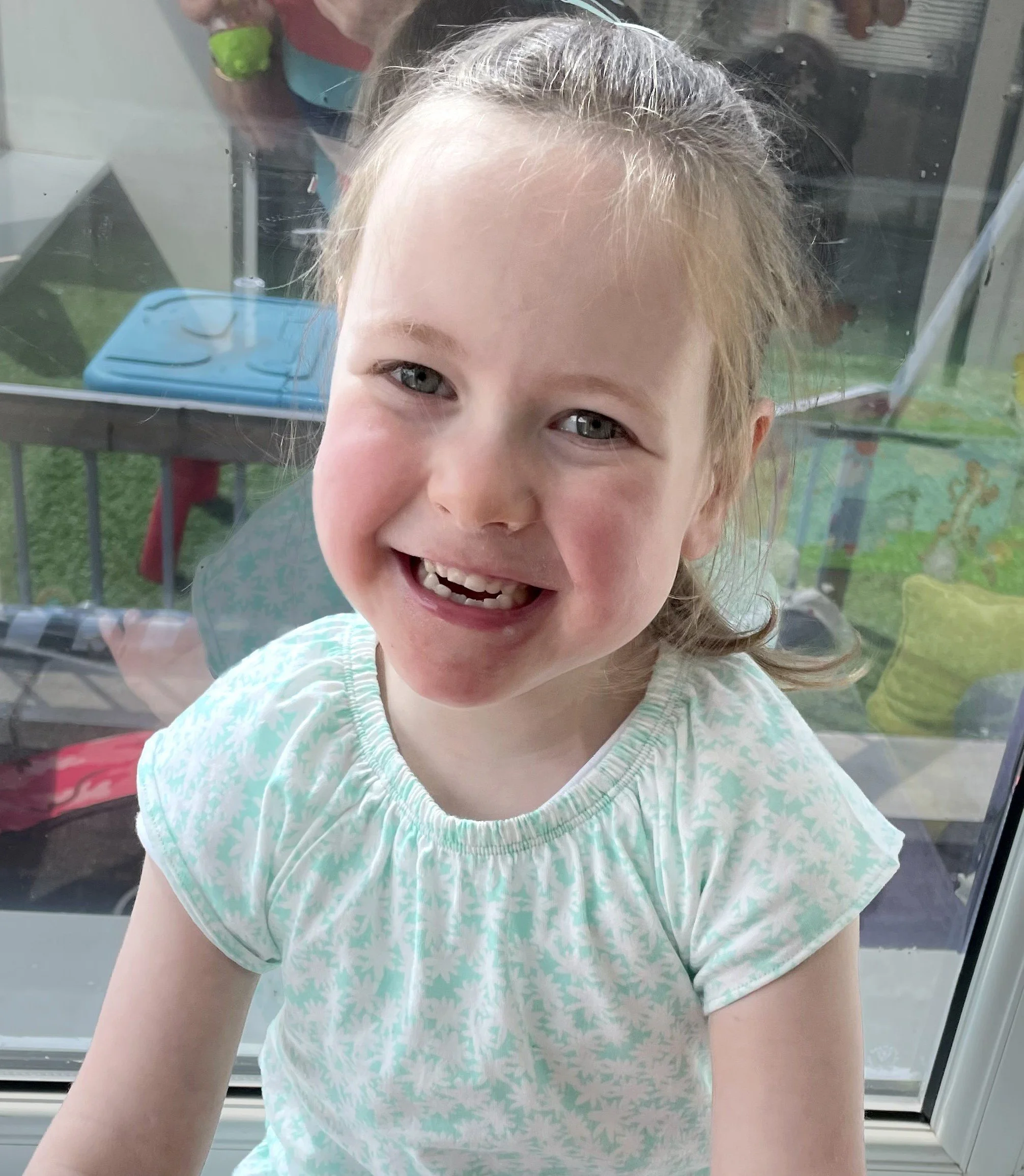
In loving memory of Isla Hutton

Take the next step
The first step is simple: a confidential conversation with the study team.
There’s no obligation to enroll, and you’ll have time to ask questions, talk with your family, and decide what’s right for you.
→ 1-855-958-WAVE (9283)
A patient navigator will get back to you in one to two business days.

Connect with the Foundation for Inherited Arrhythmias
The Foundation for Inherited Arrhythmias (FIA), formerly the SADS Foundation, is a trusted advocacy organization supporting individuals and families affected by sudden arrhythmia death syndromes, including Long QT Syndrome.
Visit their Wave II page to learn more about the study, access community resources, and connect with others navigating life with LQTS.
The safety and efficacy of THRV-1268 have not yet been established. THRV-1268 has not been approved for commercial use by any regulatory authority (e.g. the FDA in the United States or Health Canada in Canada).